How to prepare a child for school
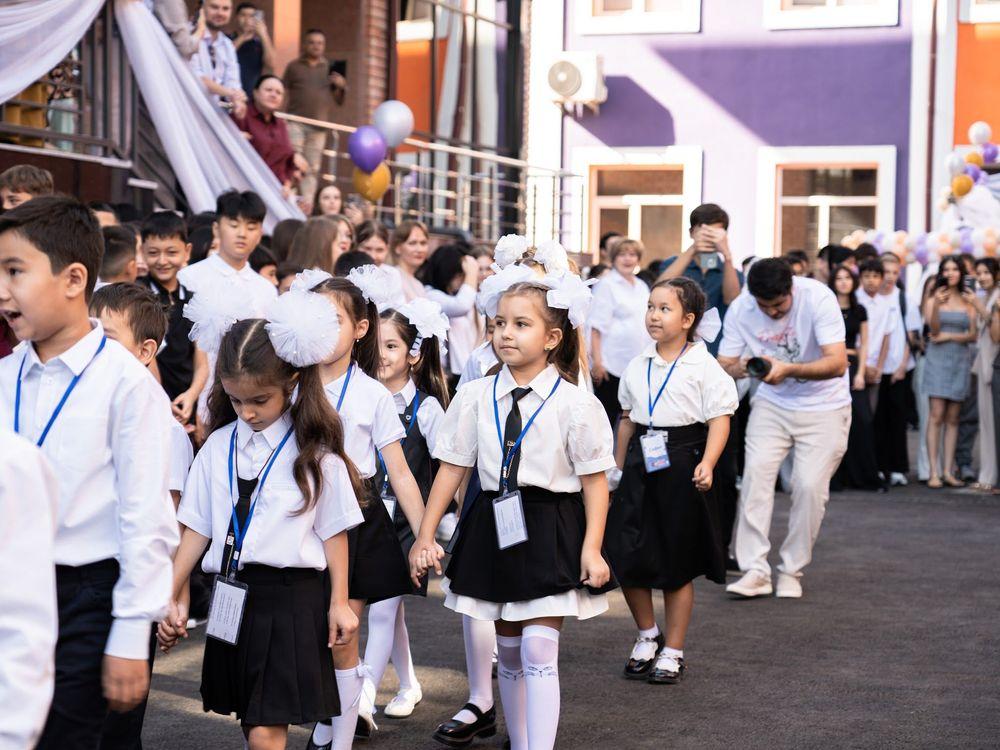
School is a new and important stage in the life of every family. How smoothly the adaptation goes depends not only on the child themselves, but also on the parents' approach. To ensure your child easily settles into the school routine, enjoys learning, and achieves success, you can prepare your future first-grader for the perfect start. We share helpful tips on how to properly prepare your child for school, ensuring their first steps in learning are easy and enjoyable.
Why is preparation for school important?
Preparation for school helps lay the foundations needed to effectively master the first-grade curriculum. Regular exercise promotes the development of important qualities: attentiveness, memory, independence, patience, and the ability to concentrate. Without proper preparation, children may struggle with new material, have low self-esteem, and experience initial academic setbacks.
Good psychological preparation reduces the risk of stress, ensures a smooth transition from the familiar home environment to school life, and fosters a positive attitude toward learning.
Is your child ready for school?
How to prepare a child at home for school? To assess a child's readiness, a parent can consider several factors:
Physical development - is the child able to sit still for long periods of time, and does they maintain hygiene and health?
Intellectual development - does the child have a sufficient level of knowledge, can they read, count, and navigate space and time?
Social skills - does the child interact with other children, cooperate, and show politeness and respect?
Emotional stability - does the child cope with emotions, anxiety, and uncertainty?
Using these criteria, you can identify and gently correct potential obstacles to a successful transition to school.
When should preparation begin?
Recommendations for properly organized preparation include three stages, each appropriate to the child's age and developmental characteristics.
Early, indirect development (3-4 years) - this age is ideal for beginning active preparation, but does not yet involve strict classes and lessons. The key is to create an atmosphere of natural learning through play and everyday interaction:
Read fairy tales and stories aloud, encourage active listening and dialogue.
Encourage creativity by offering drawing, sculpting, building, and putting together puzzles.
Spend more time outdoors, observing nature and surrounding objects.
Develop basic understanding of shapes, colors, and sizes of objects.
Early preparation is gentle and natural, promoting the overall development of the child's brain and the formation of healthy habits.
Targeted but gentle development (5-6 years) marks the beginning of the child's conscious perception of reality. During this period, it is useful to begin targeted instruction, gradually introducing elements of systematic learning.
Our tips for preparing a child for first grade school:
Music, painting, and dance classes develop hand-eye coordination and creativity.
Special educational materials help develop writing and counting skills, as well as learning to read and write short words. Conducting lessons in short 15-20-minute increments develops perseverance and sustained attention.
Creating conditions for independent decision-making and analyzing the consequences of actions helps build self-confidence and responsibility.
This is a time for actively developing the basic study skills and socialization necessary for subsequent productive learning.
Direct, intensive preparation (the year before entering first grade) is characterized by a more intense and clearly structured lesson plan.
The goal of this period is to achieve a high level of readiness for all aspects of school life. How can a parent prepare their child for school?
The academic component involves mastering basic skills: writing, reading, and mathematics.
The social component focuses on gaining experience working together in a peer group and learning to obey rules and discipline.
Psychological preparation involves developing self-confidence, calm, and an appropriate attitude toward potential difficulties.
Regularity of lessons and an individualized approach are key factors in effective preparation, particularly during this final year before school.
The Role of Parents in a Child's Successful Adaptation
Parents play a crucial role in fostering positive motivation and reducing stress in children. Here are some tips for supporting your child during this important period:
Maintain a positive atmosphere at home, encourage initiative and curiosity. Be a role model, demonstrating respect for education, a passion for reading, and a love of learning.
Participate in games and creative projects with your child, creating a comfortable environment for creativity and self-expression.
Praise achievements, fostering a sense of pride and satisfaction in their work.
Help your child overcome fear of new situations and people by engaging in confidential conversations and discussing potential concerns.
Parental love and wisdom can make the preparation process a pleasant and rewarding event for the whole family.
General recommendations for preparing a child for school
How to prepare a child for school: tips from Profi School that will help you organize an effective and comfortable preparation process for school:
Teach your child the rules of personal hygiene and self-care – dress neatly, wash your hands, and keep things tidy.
Expand your child's horizons by visiting museums, theaters, cinemas, and going on excursions.
Organize a space for homework – a furnished corner with a comfortable table, chair, good lamp, and shelving for books and materials. Maintain a daily routine – regular sleep, nutritious nutrition, and moderate physical activity will ensure energy and health.
Offer interesting and useful toys that develop fine motor skills and imagination.
Attend preschool classes, choosing a qualified teacher and a suitable schedule.
It's important to listen to your instincts and trust your intuition. Show a genuine interest in their success, create a warm and friendly atmosphere, and motivate and inspire your future first-grader.
Why choose Profi School?
Profi School is a reliable partner for families who want to provide their child with a harmonious start to their academic life. We believe that preschool preparation isn't about memorizing letters and numbers, but about holistic personal development through simple yet thoughtful approaches. At our private school, we emphasize natural exploration of the world: instead of boring exercises, we offer exciting discoveries; instead of pressure, we offer support and inspiration. Our goal is to teach your son or daughter to think, ask questions, and enjoy the process of learning. Simple, playful activities that develop logic, memory, and attention are seamlessly woven into daily lessons.
Parents and teachers work together to create a unified educational environment. We regularly hold consultations where we share observations of your child's progress and offer practical advice on how to support their development at home. Together, we build your child's self-confidence, teach them to trust adults, and confidently take their first steps in a new environment. Our well-designed preparatory program addresses not only the child's intellectual but also emotional needs: we help them overcome anxiety, develop communication skills, and learn to interact constructively with peers.
By choosing Profi School, you're choosing more than just a place to study—you're becoming part of an educational community where every child is treated as a unique individual.
May your child enter school with joy and confidence, and may true friends, exciting discoveries, and amazing adventures await them!